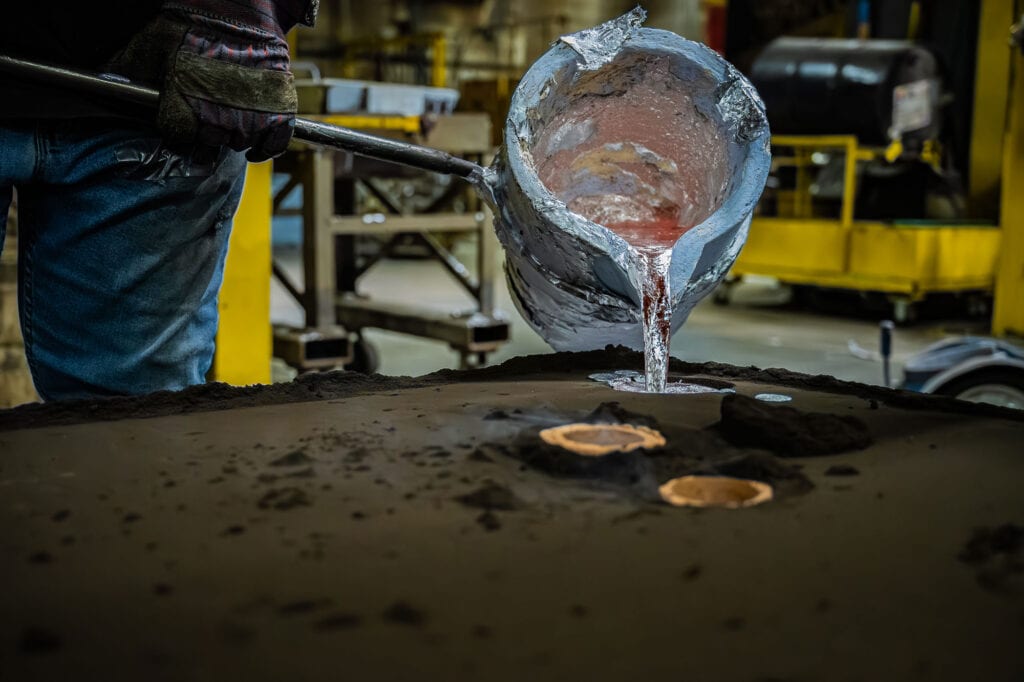
Just How Steel Casting Shapes the Future of Innovative Product Style and Growth
Metal casting is emerging as a critical pressure in the domain name of product design and development. Its ability to develop elaborate geometries and lightweight structures offers designers brand-new opportunities for advancement. Paired with developments in modern technology and a concentrate on sustainability, metal spreading methods are progressing. This advancement questions regarding the future trajectory of layout across markets. What implications will these adjustments have for both consumers and producers alike?
The Benefits of Metal Casting in Product Advancement
While various manufacturing methods exist, metal spreading stands out for its one-of-a-kind advantages in item growth. This approach allows for the development of intricate forms and elaborate styles that might be challenging or impossible to achieve with various other processes. The flexibility of steel spreading enables the usage of various products, consisting of iron, bronze, and aluminum, offering developers with a variety of options to meet details requirements. Additionally, steel spreading is affordable for both small and large manufacturing runs, as it decreases material waste and minimizes the requirement for extensive machining.
The longevity and strength of cast metals contribute to the longevity of the final items, making them suitable for requiring applications. The capability to create large parts in a single item minimizes setting up time and boosts architectural stability. On the whole, steel casting offers as an essential strategy that sustains advancement and effectiveness in product development throughout many markets
Innovative Applications of Metal Casting in Different Industries
Metal spreading plays a considerable function in numerous industries, showcasing its innovative applications past standard production. In the vehicle market, for example, metal casting makes it possible for the production of light-weight yet long lasting parts, enhancing fuel efficiency and performance. Aerospace markets use sophisticated casting methods to create complicated parts that fulfill rigid security and weight needs, helping with the growth of sophisticated aircraft styles.
In the energy field, steel spreading is essential for manufacturing wind turbine parts and structural elements that withstand severe conditions. The clinical area gain from custom castings for surgical instruments and prosthetics, allowing for accurate customizing to specific person requirements. In addition, the imaginative industry employs metal spreading to produce attractive products and detailed sculptures, combining technology with creative thinking. These diverse applications show just how steel spreading not only sustains traditional manufacturing however additionally drives advancement throughout numerous markets, leading the way for brand-new items and remedies.
The Function of Sustainability in Steel Casting Practices
As markets increasingly prioritize ecological responsibility, the assimilation of sustainability right into steel casting practices has come to be crucial. This change is driven by the requirement to minimize waste, conserve energy, and restriction greenhouse gas exhausts. Numerous foundries are embracing recycled materials, utilizing scrap metal to reduce the demand for virgin resources. In enhancement, developments in power performance are being executed, such as utilizing electric heaters and optimizing heat healing systems.
Water usage is another prime focus, with practices intended at decreasing usage and ensuring appropriate therapy of wastewater. The execution of green binders and coverings is getting grip, reducing unsafe emissions throughout the spreading procedure. By welcoming these lasting techniques, the steel spreading industry not only improves its eco-friendly footprint but likewise fulfills the increasing consumer demand for ecologically accountable items. This positioning with sustainability principles positions metal casting as a forward-thinking market in the domain of ingenious item layout and advancement.
Innovations in Metal Spreading Technology
The advancement of metal spreading technology is carefully linked to the industry's commitment to sustainability, cultivating advancements that boost efficiency and item high quality. Recent developments consist of the growth of innovative products such as light-weight alloys, which enhance strength-to-weight proportions while minimizing general product usage. Furthermore, strategies like 3D printing and additive manufacturing have actually acquired grip, enabling extra intricate geometries and decreased waste during the production process.
Automation and robotics have structured casting procedures, lessening human error and optimizing manufacturing rates. Boosted simulation software likewise plays an important duty by predicting spreading issues before they take place, thereby minimizing rework and scrap rates. These technological improvements not just sustain lasting techniques but likewise empower designers to explore new creative opportunities, eventually causing even more cutting-edge and ecologically friendly items. The ongoing combination of these innovations continues to form the landscape of metal spreading, making it a critical part in product design and development.
Future Trends in Product Design Driven by Metal Casting
While innovations in metal casting innovation lead the way for future fads in product design, developers are significantly harnessing these advancements to develop extra efficient and sustainable items. The integration of 3D printing with metal spreading makes it possible for the production of complex geometries that were previously unattainable, permitting for light-weight yet resilient layouts. Additionally, the usage of recycled metals is gaining traction, straightening with global sustainability objectives and lowering the environmental effect of manufacturing.
Developments in simulation and modeling software application enable designers to anticipate how materials will certainly act under various problems, leading to maximized layouts with reduced waste. Personalization is also becoming a focal point, as steel casting strategies permit customized products without substantial price rises. As these patterns continue to advance, the collaboration in between designers and metal spreading specialists will likely promote cutting-edge remedies that deal with both functionality and visual allure in future item designs
Frequently Asked Inquiries
What Materials Are Typically Made Use Of in Metal Casting Procedures?
How Does Metal Casting Compare to 3D Printing in Product Design?
Steel casting provides longevity and scalability, suitable for mass manufacturing, while 3D printing stands out in fast prototyping and modification. Each approach presents distinct benefits, influencing design choices based upon project requirements and desired end results.
What Industries Advantage Most From Steel Casting Innovations?
Automotive, aerospace, and production sectors benefit most from steel casting technologies. These fields utilize progressed steel casting techniques for generating read more complex parts, boosting performance, lowering weight, and improving material homes, inevitably causing extra efficient production processes.
How Do Steel Casting Strategies Differ Across Various Societies?
Steel spreading strategies vary substantially across cultures, influenced by local products, customs, and technological advancements. As an example, Eastern societies commonly emphasize intricate layouts, while Western practices may prioritize performance and mass production techniques.
What Precaution Are Important During Steel Spreading Procedures?
Essential security steps throughout metal casting procedures consist of proper ventilation, individual protective tools, fire safety and security protocols, hazard communication, and regular training. Aluminum Casting. These preventative measures assist minimize threats related to high temperatures, toxic fumes, and potential equipment breakdowns